
August 12, 2026
Branded Merchandise for Nonprofits That Works
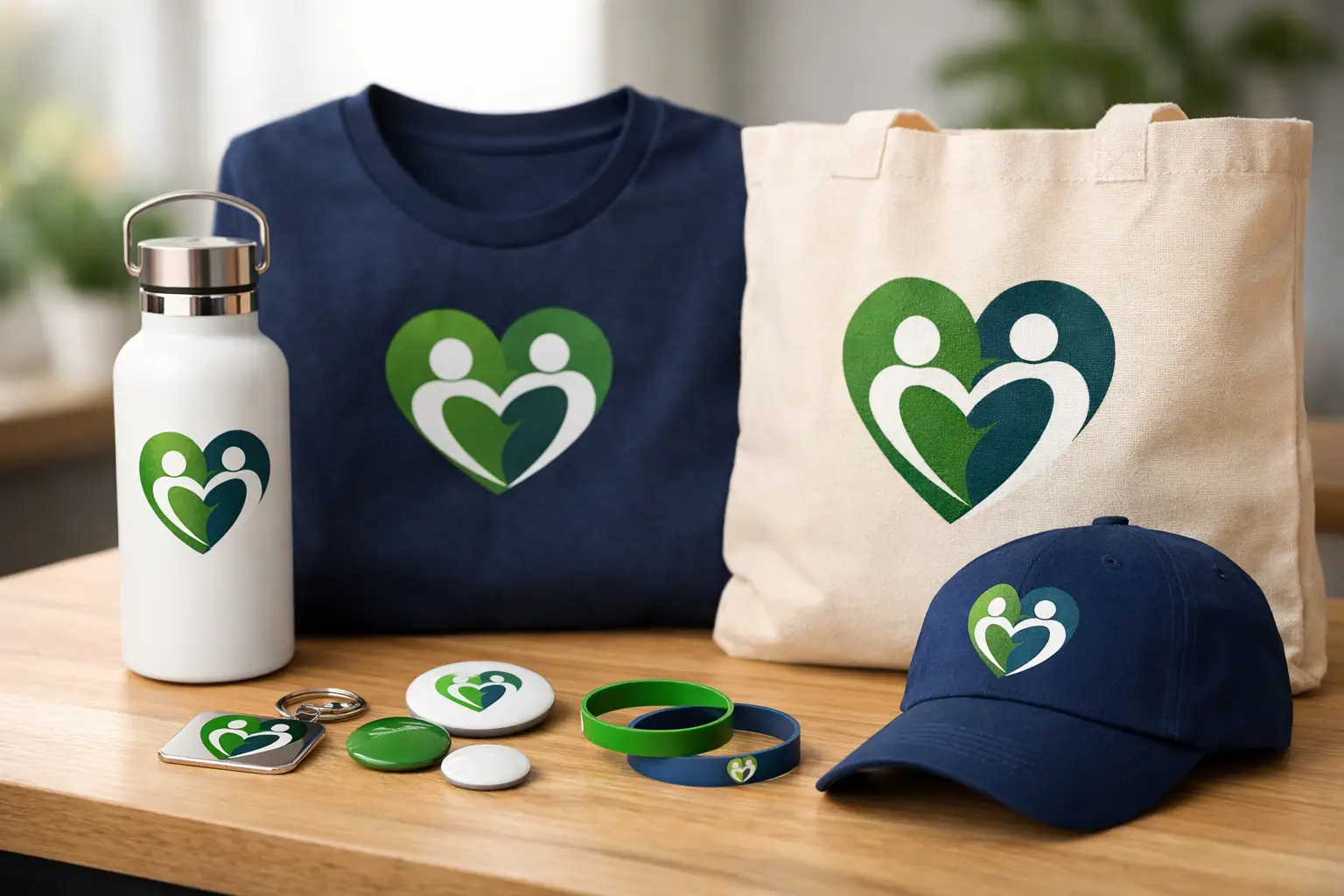
A volunteer shirt that gets worn after the event, a donor gift that feels useful, or a tote bag seen around Salt Lake City can keep your organization visible long after a fundraiser ends. The best branded merchandise for nonprofits does more than put a logo on an item. It gives volunteers, donors, staff, and community partners a clear connection to the work your organization does.
For nonprofit leaders and event organizers, the challenge is choosing merchandise that fits a real budget, a real audience, and a real deadline. A box of low-cost items that nobody uses is not a bargain. A smaller run of practical, well-decorated products often creates more value for your mission.
Start With the Job the Merchandise Needs to Do
Before choosing apparel, drinkware, or event giveaways, decide what result your organization needs. Merchandise for a volunteer cleanup day has a different job than a thank-you package for major donors. The audience, setting, and expected lifespan of the item should guide the choice.
For volunteer teams, visibility and unity usually come first. Matching T-shirts, polos, hoodies, hats, or lanyards help attendees quickly identify the people who can answer questions or offer assistance. This matters at community events, races, school programs, and faith-based service projects where your team is spread across a large area.
For donor stewardship, usefulness matters more than quantity. A quality embroidered cap, insulated drinkware, or durable tote can feel like a genuine thank-you without taking a large share of your fundraising budget. The best choice depends on the donor relationship and the scale of the campaign. A small appreciation event may justify a higher-value item, while a broad annual appeal may call for a practical, lower-cost giveaway.
For public awareness, choose products people will carry or wear where others can see them. Tote bags, water bottles, shirts, and hats can keep your name in front of people across the Wasatch Front. Pens may still make sense at an information table, but they work best when they support a larger event kit rather than carry the full burden of your outreach.
Branded Merchandise for Nonprofits: Match the Item to the Audience
A nonprofit does not need the same merchandise for every group. Dividing your order by audience can prevent waste and make each item feel more intentional.
Volunteers and staff
Volunteer apparel should be comfortable enough for a full shift and easy to recognize from a distance. Screen printed T-shirts are often the most cost-effective choice for larger groups, especially when the design uses one or two spot colors. For cold-weather events in Utah, consider sweatshirts, quarter-zips, or jackets that people can wear throughout the season.
If your volunteer team includes coordinators, board members, or long-term staff, embroidery can create a more polished look on polos, jackets, and caps. Embroidered apparel holds up well for repeated use and gives leadership apparel a clear distinction without making it feel overly formal.
Donors, sponsors, and partners
Donor merchandise should feel useful, not promotional. Quality drinkware, bags, notebooks, and embroidered outerwear are common choices because they fit work, travel, and daily routines. Keep the imprint clean. A logo, short campaign name, or simple mission line is usually more effective than a crowded design filled with small text.
Sponsors may need a different approach. If sponsor recognition is part of your event agreement, create a design hierarchy before production begins. Your organization should remain easy to identify, while sponsor logos need enough space and contrast to be legible. This is especially important on event shirts, banners, and bags where multiple logos compete for attention.
Event attendees and the public
For walkathons, community festivals, fundraising dinners, and awareness campaigns, attendees often respond best to merchandise tied to the event itself. An event shirt can become a keepsake when it has a strong design, the year, and a message that people are proud to wear. A generic logo shirt may cost less, but it may be less likely to leave the closet.
Consider the setting. Lightweight tees and water bottles make sense for a summer event in South Jordan or Draper. Beanies, fleece layers, and insulated tumblers may be better for fall and winter gatherings. Good merchandise planning is partly about knowing how people will actually use the item.
Choose a Decoration Method That Fits the Design
The artwork should influence the production method. Trying to force every design into one process can raise costs or weaken the finished product.
Screen printing is a strong option for larger apparel orders with bold graphics and limited colors. It delivers durable, vibrant prints and allows for Pantone color matching when brand consistency matters. It is often the practical choice for volunteer T-shirts, event shirts, and campaign apparel.
Embroidery works well for polos, button-downs, caps, outerwear, and higher-end donor or staff gifts. Thread adds texture and a professional finish, particularly for smaller logos. Our team can match thread colors closely to your organization’s branding, but very detailed art or tiny text may need to be simplified for a clean embroidered result.
DTF, or direct-to-film, is useful for full-color designs, smaller order quantities, and artwork with fine details. It works well when an event logo includes gradients or multiple colors that would be expensive to screen print. DTG, or direct-to-garment, is another full-color apparel option, particularly for detailed artwork on suitable garments.
There is no universal best method. The right answer depends on the garment, artwork, number of colors, order size, and how the item will be used. A quick artwork review before you commit to products can save your organization from paying for a design that does not reproduce well.
Protect the Budget Without Choosing Throwaway Items
Nonprofit budgets are rightly scrutinized, but the lowest unit price is not always the best value. A thin shirt that shrinks quickly or a poorly printed logo that cracks after a few washes can reflect poorly on the organization. It can also mean placing another order sooner than expected.
Start by setting a total project budget, then reserve room for the items that affect production: garment type, decoration locations, number of ink colors, setup requirements, packaging, and delivery timing. A front-only one-color print costs differently from a full-color design printed on both sides. Adding names or individual personalization can also change the project scope.
Simplifying artwork is often a smarter cost decision than downgrading the item itself. A clean one- or two-color design on a comfortable shirt can have more impact than an overly busy graphic on the cheapest available garment. If you need sponsor logos, consider placing them on the back while keeping the front focused on the event or mission.
Order quantities matter as well. Most nonprofit teams can comfortably meet our 12-piece minimum, whether they are ordering for a committee, a volunteer crew, or an event staff group. If attendance is uncertain, order carefully and choose versatile extras that can be used by future volunteers, auction winners, or staff.
Plan Early Enough to Review Proofs
Artwork approval is where many nonprofit merchandise projects either stay on schedule or fall behind. Give your internal team time to confirm logo files, spelling, sponsor placement, garment sizes, and final quantities before production starts. The person approving the design should have authority to make the final call, especially when several board members or event partners are involved.
Our standard turnaround is 12 business days from artwork approval, and we often finish sooner. Rush orders are available when timelines are tight, but earlier planning gives your organization more product choices and more time to review the details. For annual fundraisers, races, school events, and volunteer programs, beginning the process several weeks ahead is the safer approach.
Ask for an art proof and check it at actual size. Small text that looks readable on a computer screen may not be readable on a left-chest print or embroidered cap. Confirm colors too. Pantone matching for screen printing and thread matching for embroidery help keep your nonprofit’s visual identity consistent across apparel and promotional products.
Make Every Item Part of the Experience
Merchandise works best when it is connected to a moment. Give volunteer shirts out at check-in. Include a thank-you card with donor gifts. Make event apparel available early enough for participants to wear it before the event. Use branded bags to hold registration materials, sponsor information, and practical supplies.
That coordination turns merchandise from an afterthought into part of your organization’s operations. It also makes staff and volunteers feel prepared, which is especially valuable when your team is representing the mission in public.
For nonprofits across Salt Lake City and the Wasatch Front, a well-planned order can support fundraising, volunteer recognition, and community awareness without creating unnecessary work for your staff. Our team can help you compare apparel, drinkware, bags, lanyards, and other promotional options, then recommend screen printing, embroidery, DTF, or DTG based on the project. For a free quote, visit affordable-printing.com/request-a-quote/ or call (801) 260-0606.
Ready to start your order?
GET A FREE QUOTE