
October 13, 2026
DTG Printing for Detailed Company Apparel
A full-color event graphic with fine lines, a photo, or several shades of color can be difficult to reproduce with traditional ink methods. That is where DTG printing can be a practical choice for company apparel. For Salt Lake City businesses, schools, nonprofits, and event organizers, it offers a clean way to put detailed artwork on shirts without simplifying the design into a few solid colors.
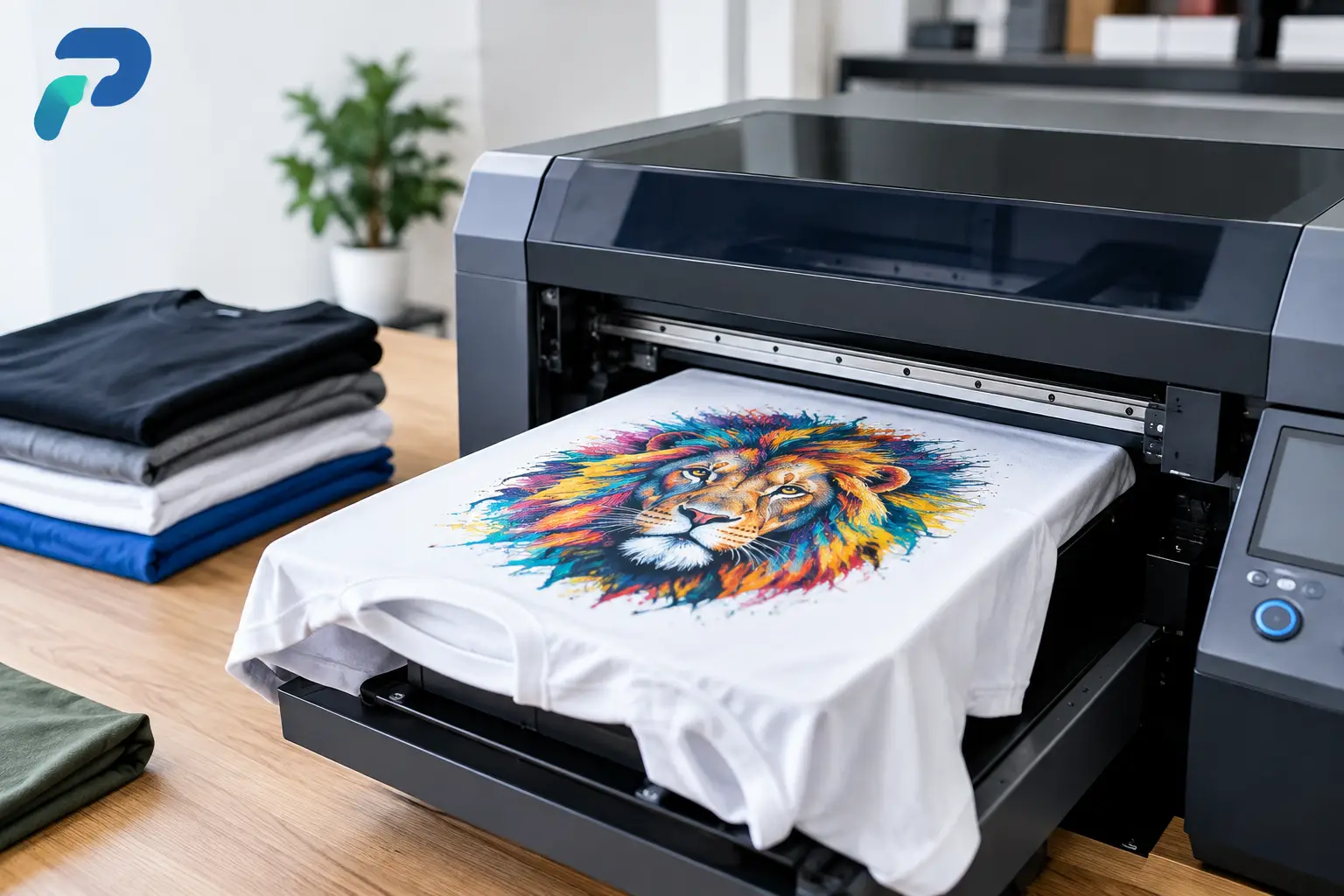
DTG stands for direct-to-garment. Rather than creating screens or transferring a preprinted film, the printer applies water-based ink directly onto the garment. The result can feel soft, look highly detailed, and work especially well when your team needs a smaller run of shirts with complex artwork.
That does not make DTG the right answer for every order. The best decoration method depends on the garment, artwork, order quantity, budget, and how the apparel will be used. Our job is to help your company choose the option that makes sense before production starts.
What DTG Printing Does Well
DTG printing is built for artwork with detail. It can reproduce full-color images, gradients, fine text, and designs with many color changes without charging by the number of ink colors in the same way screen printing does. If your corporate event shirt includes a detailed illustration, a multicolor campaign graphic, or sponsor artwork that needs to stay recognizable, DTG may be a strong fit.
It is also useful when artwork changes between small groups. A school program may need one design for staff, another for volunteers, and another for a fundraising event. A company may need a limited run for a product launch alongside a separate employee appreciation design. Because DTG does not require a new set of screens for each color in the artwork, it can be more flexible for these types of projects.
The print is usually most successful on cotton-rich garments, particularly light-colored shirts. On dark garments, the process generally includes a white ink base beneath the color image. That base helps colors show up properly, but it can affect the feel of the print slightly. A good production team accounts for this during artwork review and garment selection.
When DTG Is the Best Choice for Your Team
DTG is often a good fit when the design itself is the focus. Consider it for a detailed front graphic on company T-shirts, event apparel, staff shirts with full-color illustrations, or nonprofit fundraising designs that need photographic quality.
For example, a Wasatch Front business organizing an employee wellness event may want a shirt with a colorful mountain scene, a small company logo, and several visual elements. Converting that design for screen printing could require multiple screens and may mean adjusting gradients or fine details. DTG can often reproduce the original artwork more faithfully.
It also works well when an order is not large enough to benefit from screen printing setup. We work with group orders starting at 12 pieces, which is a practical size for a department, committee, volunteer group, or small company team. For larger orders with simple artwork, screen printing may become the better value. There is no universal cutoff because print size, garment color, and artwork all affect the price.
DTG is not usually the first recommendation for every uniform program. If your company needs a simple one- or two-color logo repeated across hundreds of shirts, screen printing is generally more efficient. If your staff needs durable polos, hats, jackets, or workwear, embroidery may better match the garment and the professional look your team needs.
DTG Printing Compared With Other Decoration Methods
Choosing between decoration methods is easier when you start with the final use of the apparel, not just the artwork file.
DTG vs. screen printing
Screen printing remains one of the best choices for high-volume orders and bold, simple designs. It produces strong color, holds up well, and is particularly cost-effective when the same artwork is going on many garments. We can also provide Pantone color matching for screen printing when a brand color needs close control.
DTG has an advantage when a design contains many colors, photos, soft shading, or fine details. It avoids the screen setup process, but the per-shirt cost may not be the best option for a large order with a simple logo. If your organization needs 200 event shirts with a two-color design, screen printing will often be the smarter route.
DTG vs. DTF
DTF, or direct-to-film, is another full-color option. The design is printed onto a film, coated with adhesive, and heat-applied to the garment. It works well on a wider range of fabrics, including many polyester blends, and can be especially useful for small logos, names, and designs placed on performance apparel.
DTG generally has a softer, more integrated feel on a suitable cotton shirt because the ink is printed into the garment fibers. DTF has excellent versatility and color strength, but it creates a transfer layer on top of the fabric. Neither is automatically better. A cotton-heavy event tee with a large illustrated print may favor DTG, while a moisture-wicking staff shirt may point toward DTF.
DTG vs. embroidery
Embroidery gives polos, outerwear, hats, and professional uniforms a textured, durable finish. It is an excellent choice for a company logo on a left chest, especially when the garment will be worn regularly in customer-facing work.
But embroidery is not designed for photo-quality graphics, large detailed images, or very small text. A detailed campaign illustration belongs in DTG, DTF, or screen printing. A clean business logo on a polo often belongs in embroidery. We can match embroidery thread closely to your brand colors, then recommend a decoration size that looks balanced on the garment.
Artwork and Garment Choices Matter
A DTG printer can reproduce detail, but it cannot fix a poor artwork file. A low-resolution image may look acceptable on a computer screen and still print soft or pixelated on a shirt. Whenever possible, send the original artwork, logo files, or a high-resolution image rather than a screenshot pulled from a website.
Our team reviews artwork before production and can help identify issues early. That may mean improving a file, adjusting very thin lines, removing a background, or suggesting a print size that keeps small details readable. A good-looking digital proof matters, but it should also be practical to print on fabric.
Garment selection also affects the result. Cotton and cotton blends are usually the safest starting point for DTG. A smooth, quality shirt surface helps the print look cleaner. If your employees need lightweight performance fabric, fleece, or a specialized work garment, we may recommend DTF, screen printing, or embroidery instead.
For business buyers, it helps to think about wear conditions. Are these shirts for a one-day corporate event? Are they employee uniforms washed every week? Will they be worn outdoors, under safety vests, or during athletic activity? The right answer should hold up for the job the garment needs to do.
Planning a DTG Order Without Surprises
The smoothest orders begin with a few basic details: the garment type and color, estimated quantity, print locations, artwork, and required in-hand date. If several departments need different sizes or styles, include that information in the initial request. It helps us quote accurately and recommend the most efficient decoration method.
Our standard turnaround is 12 business days from artwork approval, and we often finish sooner. If your company in South Jordan, Sandy, Ogden, or elsewhere along the Wasatch Front has a tighter event deadline, ask about rush availability before finalizing the project. Production timing depends on the garment, artwork readiness, and current schedule.
For larger programs, consider ordering a few extra shirts in common sizes. Reordering later can be possible, but garment availability can change, and a separate small run may cost more per piece. Planning extras is often easier than trying to match a garment weeks after an event.
DTG printing is a useful tool, not a default answer. When the artwork is detailed, the garment is right, and the order size fits the project, it can produce sharp, professional apparel your employees and event participants will want to wear. When another method will serve your team better, a straightforward recommendation saves time and money.
If your company or organization needs help choosing between DTG, DTF, screen printing, or embroidery, call Affordable-Printing at (801) 260-0606 for a free quote.
Ready to start your order?
GET A FREE QUOTE