_1782777776334-CjnZ693B.png)
May 20, 2026
Utah Team Apparel That Works Harder
If you are ordering Utah team apparel for a school, company, fundraiser, rec league, or community event, the real challenge is usually not picking a color or placing a logo. It is making smart choices that match your budget, your timeline, and the way the apparel will actually be used. A staff shirt for a weekend event has different requirements than employee uniforms, and a booster club order is not the same as outfitting a sales team for ongoing brand visibility.
That is why the best apparel decisions start with purpose, not just product. When you know who will wear it, how often it will be worn, and what kind of impression it needs to make, the rest gets easier. Decoration method, garment type, and order mix all become practical decisions instead of guesswork.
What Utah team apparel needs to do
For most organizations, team apparel is doing more than one job at once. It may need to identify staff, make a group look organized, support fundraising, or extend brand visibility beyond a single event. In some cases, it also needs to hold up to repeated washing and regular use. That range matters because the right solution depends on what success looks like for your group.
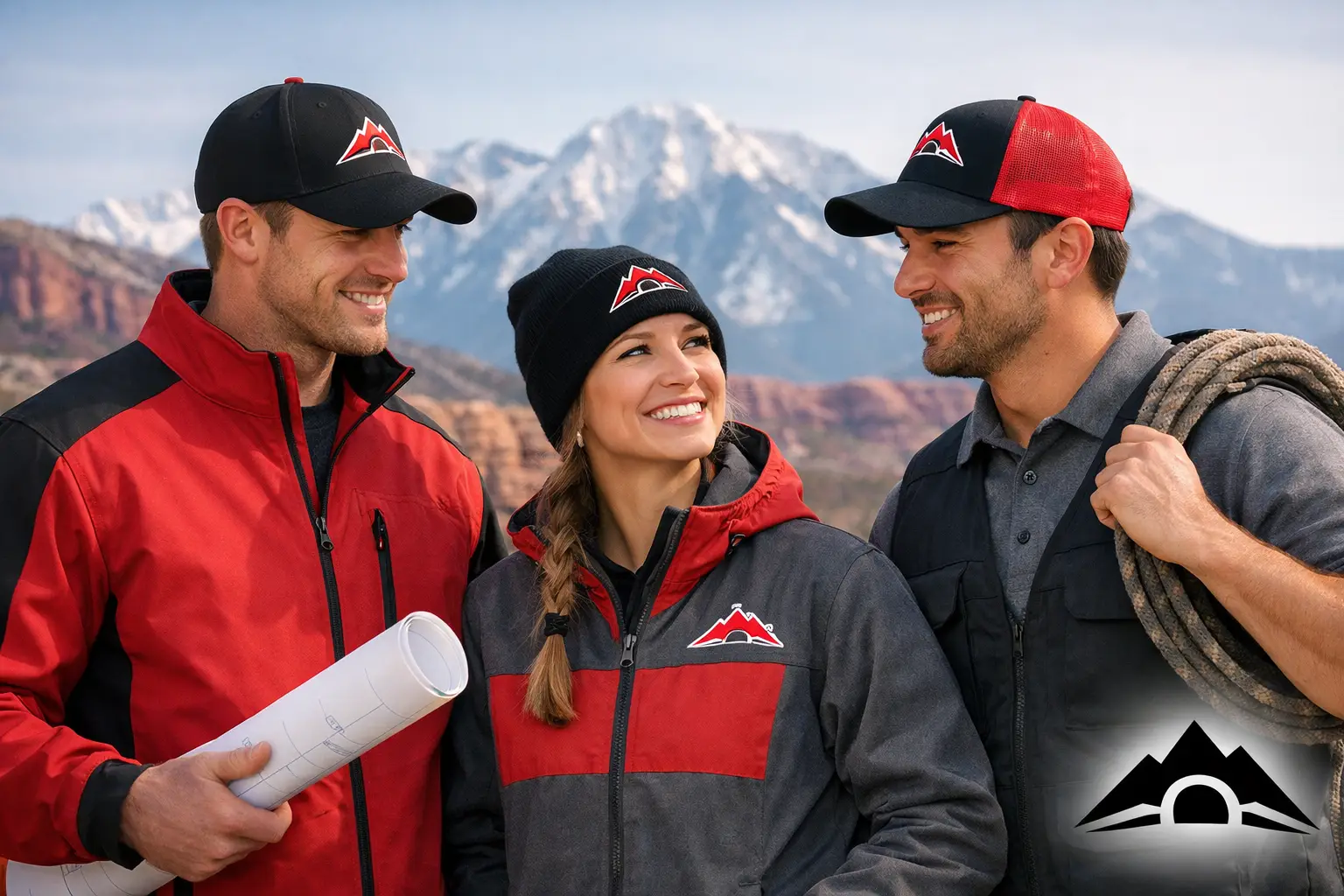
A youth sports program may want affordable shirts that unify players and volunteers without pushing the budget too far. A contractor may need branded polos, hoodies, and outerwear that make crews look professional on job sites. A nonprofit may care just as much about donor-facing presentation as wearability for volunteers. These are all team apparel orders, but they should not be built the same way.
That is where buyers often save time and money by thinking in categories. Ask whether the apparel is mainly for visibility, long-term wear, internal culture, resale, or event-day coordination. Once that is clear, you can choose garments and decoration methods that support the goal instead of paying for features you do not need.
Choosing the right apparel for the job
Not every team needs premium apparel, but cheap pieces that wear out fast can cost more in the long run if you need to replace them early. The better approach is to match the garment to the level of use.
T-shirts are often the most efficient option for large groups, short-term campaigns, school events, volunteer teams, and community outreach. They are budget-friendly, easy to size across mixed groups, and work well when the main goal is visibility. Polos are a stronger fit when a more professional appearance matters, especially for staff teams, customer-facing roles, and business events. Hoodies and sweatshirts make sense when you want longer-term wear and better repeat exposure, since people tend to keep and rewear them.
Outerwear can be worth considering for crews, field teams, and organizations that operate outdoors. It costs more upfront, but it can improve both appearance and utility. If people will wear the item repeatedly in real working conditions, the value is easier to justify.
Fabric also matters. Cotton can feel familiar and comfortable, but blends may offer better durability and shape retention. Moisture-wicking performance apparel works well for athletic programs, outdoor events, and active staff, though it may require a different decoration approach than basic cotton shirts. That is one of those areas where it depends on the garment as much as the design.
The best decoration method depends on the order
One of the biggest mistakes buyers make with Utah team apparel is assuming there is one best printing method for every project. There is not. The right choice changes based on artwork, quantity, garment type, and how polished or durable the final look needs to be.
Screen printing for value and consistency
Screen printing is a strong option for many larger apparel orders because it delivers solid color, dependable results, and good value at scale. It works especially well for team shirts, event apparel, school spirit wear, and branded staff shirts with straightforward artwork. If your design uses a limited number of colors and you need consistency across a larger run, screen printing is often the practical choice.
The trade-off is that it is not always the best fit for every art style or every order size. Highly detailed graphics, variable names and numbers, or small mixed batches may point in another direction.
Embroidery for a professional finish
Embroidery is often the right move when the goal is a polished, durable look. It is commonly used on polos, jackets, hats, quarter-zips, and workwear because it adds texture and a more established appearance. For businesses, schools, and organizations that want apparel to feel more official, embroidery carries a different visual weight than standard printing.
The trade-off is cost and design limitations. Very small details or large, dense designs may not translate as well in thread. But for logos on uniforms and higher-visibility staff apparel, embroidery is often worth it.
DTG and DTF for flexibility
Direct-to-garment and direct-to-film methods can be useful when you need more artwork flexibility, full-color output, or a solution for smaller mixed orders. They can handle design complexity that may not make sense for traditional screen printing and can be a good fit for campaign apparel, detailed graphics, or smaller runs with multiple garment variations.
The key is making sure the decoration method matches the fabric, design, and expected wear. Not every print method performs the same way on every garment. A good order starts with that conversation before production starts.
How to build an order that stays on budget
Budget pressure is real for schools, nonprofits, community groups, and growing businesses. The good news is that cost control usually comes from planning, not cutting corners blindly.
Start by separating must-haves from nice-to-haves. If your main goal is to get your logo in front of people at an event, a clean front print on a dependable shirt may do the job better than adding extra placements that increase cost without improving results. If your team needs apparel for daily wear, then it may be smarter to invest in better garments and fewer decoration locations rather than ordering the cheapest option available.
Order mix also matters. Sometimes a project works better with tiers. For example, volunteers might wear T-shirts while supervisors or staff leaders get polos or outerwear. That gives you a coordinated look without forcing one product to do every job.
Artwork decisions affect cost too. Simpler designs often print more efficiently and stay more readable from a distance. That matters for events, crews, school groups, and public-facing teams. A shirt does not need complicated art to be effective. It needs to be clear.
Why consistency matters across teams and events
Branded apparel works best when it looks intentional. If different departments, locations, or event groups are all ordering separately without a consistent approach, the result can feel fragmented. Colors shift, logos get resized, and apparel types stop looking connected.
That does not mean every order has to be identical. Different teams may need different garments. But your logo placement, brand colors, and overall presentation should feel related. That kind of consistency helps with recognition, professionalism, and long-term brand visibility.
This matters even more for organizations that order repeatedly throughout the year. Schools may need apparel for staff, clubs, athletics, and fundraisers. Businesses may need uniforms, trade show apparel, and event gear. Nonprofits may rotate through volunteer shirts, donor event apparel, and outreach campaigns. Working with a provider that can support multiple decoration methods and product categories makes those repeat orders easier to manage.
Utah team apparel for different use cases
A lot of buying decisions get easier when you think in terms of use case instead of product category.
For employee apparel, focus on durability, brand consistency, and comfort over repeated wear. For event apparel, prioritize visibility, turnaround planning, and easy group identification. For school and youth programs, balance affordability with sizing flexibility and practical wear. For fundraisers or merchandise sales, appearance and perceived value matter more because people are choosing to wear the product beyond the event itself.
In Salt Lake City and the surrounding area, organizations often need team apparel that works across changing weather, indoor and outdoor events, and mixed audiences. That is one reason layered apparel programs can make sense. T-shirts may cover broad participation, while hoodies, jackets, or embroidered polos support staff and leadership roles.
Affordable-Printing serves buyers who need that kind of flexibility, especially when apparel is only one piece of a larger branded merchandise plan.
What to ask before you place the order
Before approving artwork or choosing garments, make sure you can answer a few practical questions. Who is wearing the apparel, and how often? Does it need to look promotional, professional, or durable enough for repeated use? Is the artwork simple or detailed? Are you trying to maximize quantity, long-term wear, or a more polished presentation?
Those answers shape the whole project. They help determine whether screen printing, embroidery, DTG, or DTF is the better fit. They also keep you from overbuying features you do not need or underbuying quality for apparel people are expected to wear regularly.
The best Utah team apparel is not the flashiest option or the cheapest shirt on the page. It is the one that helps your group show up clearly, stay on brand, and get more value out of every piece you order. When the apparel matches the job, people wear it, your message travels farther, and the order does what it was supposed to do from the start.
Ready to start your order?
GET A FREE QUOTE