_1782777776334-CjnZ693B.png)
April 29, 2026
Screen Printing Services That Fit Your Brand
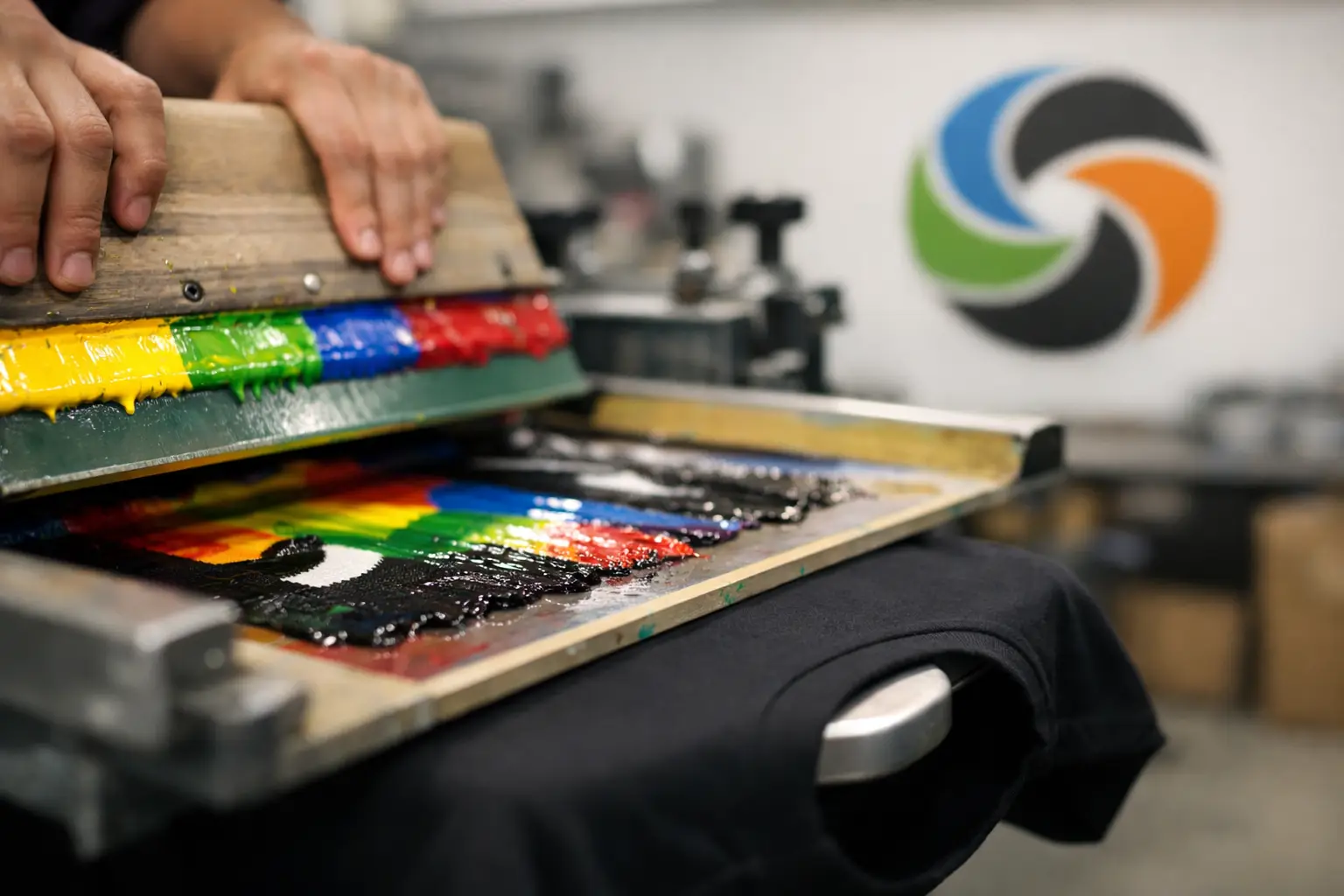
When a team shirt, event tee, or staff uniform needs to do real work, screen printing services usually make the most sense. They are built for visibility, repeatability, and cost control - three things that matter when you are ordering for a business, school, nonprofit, or public event.
A lot of buyers start with the same question: what decoration method gives us the best result for the budget? That depends on the garment, the artwork, the quantity, and how the item will be used. Screen printing remains one of the most reliable options because it produces bold prints, holds up well over time, and works especially well when you need a consistent look across a larger order.
Why screen printing services still make sense
There is a reason screen printing has stayed relevant even as newer decoration methods have become more common. It is efficient for producing the same design across multiple garments, and it creates solid, opaque ink coverage that stands out on shirts, hoodies, and workwear.
For organizations that need branded apparel for staff, volunteers, teams, or event attendees, consistency matters. You want the logo on every piece to look intentional, readable, and aligned with your brand colors. Screen printing is strong in that kind of production environment because once the artwork is prepared and the setup is complete, the process is designed for repeatable output.
It is also practical from a marketing standpoint. A printed shirt is not just apparel. It is a moving brand impression. Whether it is worn by employees at a trade show, volunteers at a fundraiser, or students during a campus event, the print needs to be visible from a distance and durable enough to survive repeated wear. Screen printing delivers well on both.
Where screen printing works best
Not every apparel project needs the same production method. Screen printing is usually the best fit when the design is relatively straightforward, the garment style is consistent, and the order is large enough for setup efficiency to matter.
This is why it is a common choice for company shirts, school spirit wear, event apparel, nonprofit campaigns, construction and field crews, restaurant uniforms, and promotional giveaways. If the goal is to create a unified look across a group, screen printing is often the most cost-effective path.
It also performs especially well with spot-color designs. That means logos, text, and graphic elements that use specific ink colors rather than complex full-color photo effects. Many business and organization logos are already built for this. If your mark uses one to four strong colors and needs to look clean on cotton tees or hooded sweatshirts, screen printing is a natural fit.
There are trade-offs. If your design includes a lot of tiny gradients, photographic detail, or highly variable artwork from piece to piece, another method may be better. The right answer is not always screen printing. The right answer is the method that matches the job.
What affects the cost of screen printing services
Buyers often assume garment price is the whole story. It is only one part of the equation. With screen printing services, cost usually depends on the garment type, the number of print locations, the number of ink colors in the design, and the total quantity ordered.
A basic left chest print on standard tees is a different project than a front-and-back hoodie order with sleeve prints. More print areas mean more production steps. More colors generally mean more setup. Premium garments will also move the total up, even if the print itself is simple.
Quantity matters because setup gets spread across the order. That is one reason screen printing is often attractive for organizations placing team, staff, or event orders. Once you reach a solid run size, the per-piece value tends to improve.
This is where a business-minded approach helps. The lowest unit price is not always the best outcome if the garment feels cheap, the print placement is off, or the item does not fit the audience. A giveaway tee for a one-day event can have a different budget logic than a retail-style staff shirt meant for ongoing use. Good planning starts with the purpose of the item, not just the item itself.
Choosing the right garment for the print
The shirt and the print should work together. That sounds obvious, but it is where many orders go sideways. A strong design on the wrong garment can still disappoint.
Fabric content affects the final look. Standard cotton and cotton-blend shirts are common choices for screen printing because they take ink well and offer dependable results. Heavier garments can give a more structured feel, while lighter tees may work better for warm-weather events or high-volume giveaways.
Color matters too. A white print on a dark shirt can look sharp and high contrast, but dark garments may require an underbase or additional production steps to keep colors bright. On lighter garments, the same design may print more simply. That does not make one better than the other. It just means the production plan should match the visual goal.
Fit and use case also matter. Staff apparel needs to be wearable for long shifts. School and nonprofit orders often need broad size ranges. Event apparel has to balance cost with enough quality that people will actually keep the shirt and wear it again. That second wear is where promotional value keeps working.
Screen printing services vs other decoration methods
If you are comparing options, it helps to think in terms of use case rather than trying to force one method onto every job.
Screen printing is often the best choice for bulk apparel with bold graphics and clear branding. Embroidery is a strong fit for polos, hats, jackets, and pieces where a stitched logo adds structure and a more finished look. DTG can work well for highly detailed, full-color prints on smaller runs. DTF offers flexibility across a wider range of designs and fabric types.
For many buyers, the real value comes from working with a provider that can look at the artwork, garment, budget, and timeline and recommend the right method instead of pushing a single process. That matters when you are trying to keep one campaign consistent across shirts, outerwear, and promotional items.
In practice, mixed-method ordering is common. A company may choose screen printed tees for a public event, embroidered polos for staff, and branded swag for follow-up marketing. The goal is not to use one method everywhere. The goal is to build a practical merchandise package that supports visibility.
How to get a better result from your order
Most production issues start before printing. They begin with unclear artwork, mismatched expectations, or last-minute changes after the order is already moving. A smoother order usually comes down to a few basic decisions made early.
First, know the job the apparel needs to do. Is it for internal team identity, public brand exposure, resale, volunteer coordination, or event promotion? That affects garment choice, print size, and budget.
Second, simplify where it helps. A cleaner design often prints better and reads faster, especially from a distance. A logo that looks good on a website header may need adjustment to work well on a shirt. Thin lines, very small text, and overly busy layouts can create problems in production and reduce impact in the real world.
Third, think about distribution. If your order includes multiple departments, grade levels, event roles, or staff groups, organize sizes and counts before production starts. That cuts down on confusion and helps keep the project on schedule.
This is especially important for schools, nonprofits, and growing businesses in the Salt Lake City area, where branded apparel is often tied to seasonal events, outreach efforts, recruiting, and community visibility. The more clearly the order is planned, the easier it is to produce useful apparel rather than just printed garments.
What a reliable print partner should help you solve
A good vendor does more than apply ink. They help you avoid expensive mismatches between design, garment, and purpose. That means asking practical questions about audience, budget range, desired look, and how the items will actually be used.
If you are ordering for a fundraiser, the conversation should be different than if you are outfitting a warehouse team. If you are planning event merchandise, you may need visibility first and fashion second. If you are ordering employee apparel, comfort and durability may matter more than squeezing every possible cent out of the price.
Affordable-Printing works with businesses, schools, nonprofits, and event organizers that need that kind of flexibility. The value is not just in offering screen printing. It is in helping customers choose from screen printing, embroidery, DTG, DTF, and promotional products based on what makes the order perform better.
The best screen printing services are not just about making shirts. They are about making branded apparel that gets worn, noticed, and remembered. If the final product supports your message, fits your budget, and holds up after the event is over, that is money spent well.
Ready to start your order?
GET A FREE QUOTE