_1782777776334-CjnZ693B.png)
May 11, 2026
How to Choose Custom Event Merchandise
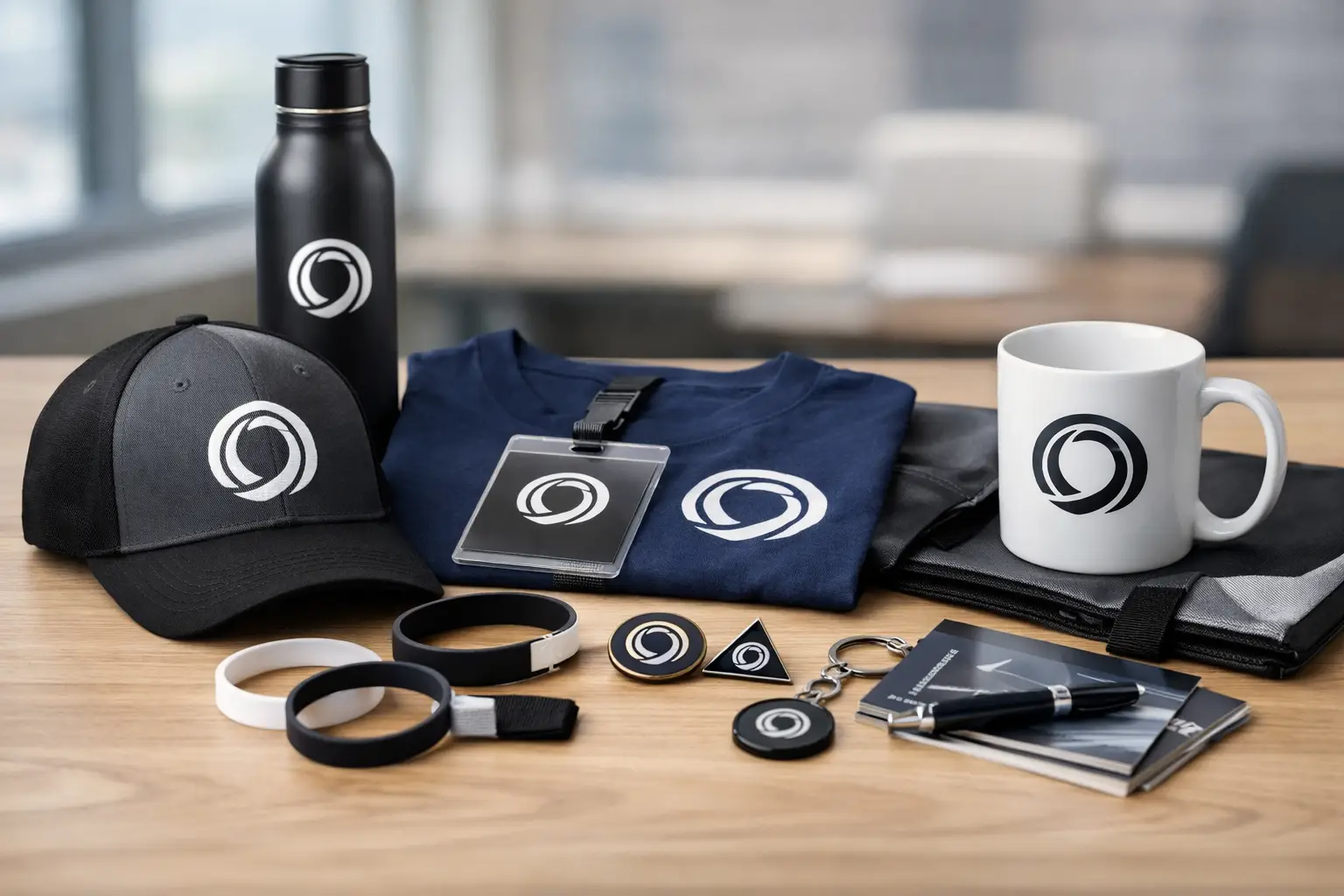
A table full of leftover giveaways after an event usually points to one problem: the merchandise made sense on paper, but not for the people attending. Good custom event merchandise should do more than display a logo. It should support the event, fit the audience, and give your brand a useful place in someone’s day after the event ends.
That is where many organizers get stuck. There are a lot of product options, several decoration methods, different budget levels, and real deadline pressure. If you are ordering for a company event, school fundraiser, nonprofit campaign, trade show, or community program, the best choice is rarely the flashiest item. It is the one that matches your goal and gets used.
What custom event merchandise should actually do
Before choosing products, get clear on the job the merchandise needs to perform. Some items are meant to create visibility during the event. Others are meant to help attendees remember your brand later. Sometimes you need both, but they should not always be the same product.
For example, event shirts work well when you need staff, volunteers, or participants to be easy to identify. Branded drinkware or bags can be better when the goal is longer-term exposure after the event. A giveaway for a school field day has a different purpose than merchandise for a chamber event or a nonprofit donor appreciation dinner.
This is why product selection should start with function. Ask a simple question first: what do we want this item to accomplish? If the answer is awareness, choose something visible. If the answer is usefulness, choose something people keep. If the answer is team identity, apparel often carries the most value.
Start with audience, not inventory
A common mistake is picking merchandise based on what is popular in general instead of what is useful to your specific audience. Popular products matter, but context matters more.
A 5K race audience will usually respond well to performance shirts, hats, drawstring bags, and water bottles because those items match the event experience. A school event may benefit more from spirit wear, inexpensive handouts, or practical items parents and students will carry. A business expo audience may be more likely to keep notebooks, pens, tote bags, or apparel that feels clean and wearable beyond the event.
The same product can perform very differently depending on who receives it. A premium embroidered quarter-zip might make sense for sponsors, staff leadership, or employee recognition. It may not be the right spend for a large public giveaway. On the other hand, a lower-cost item can still be effective if it is useful and branded clearly.
That trade-off matters. The goal is not to buy the cheapest item possible or the most impressive one possible. The goal is to put your budget into products that match the audience and the event type.
Choosing the right custom event merchandise mix
Most events do better with a mix of products instead of one item trying to do everything. That mix usually falls into three categories: identification, engagement, and follow-up visibility.
Identification products are what people wear or carry during the event so they are recognizable. Think staff shirts, volunteer hoodies, name-badge lanyards, or team hats. These items improve organization and help the event run more smoothly.
Engagement products are what people use or receive at the event. This can include giveaway items, registration bag inserts, promo handouts, or participant gear. These products should feel relevant to the event itself.
Follow-up visibility products are the items that continue working after the event is over. Tote bags, drinkware, office items, and wearable apparel often fall into this category. If you want long-term brand impressions, this is where thoughtful product choice matters most.
When buyers struggle with budget, it often helps to prioritize one strong item in each category instead of spreading the budget too thin across too many products.
Apparel vs. promotional swag
Apparel is usually the strongest option when the goal is visibility, team identity, or participant recognition. Shirts, hoodies, polos, hats, and outerwear turn people into moving brand exposure. They also help create consistency at events where staff, volunteers, or team members need to look organized.
Promotional swag works well when you want a broader reach or a lower cost per piece. Pens, bags, drinkware, notebooks, and event accessories are easier to distribute at scale. They can also complement apparel rather than replace it.
The better choice depends on who is getting the item and how it will be used. If you need your staff to be easy to spot, branded shirts do more than a table giveaway ever will. If you are handing out items to hundreds of attendees, a practical promotional product may stretch your budget further.
There is also a perceived value question. A well-designed shirt or cap can feel more personal and memorable than a small handout. But if sizing, style preference, or weather becomes a factor, swag may be easier to manage. The right answer depends on distribution, audience expectations, and event logistics.
Match the decoration method to the project
Not every design belongs on every product, and not every print method fits every order. This is one of the biggest reasons event buyers benefit from working with a provider that can handle multiple decoration options.
Screen printing is often a strong fit for event shirts when you need clean branding and cost efficiency across larger apparel orders. It works especially well for straightforward graphics and bold event designs.
Embroidery is better when you want a more polished look on polos, hats, jackets, or staff apparel. It adds durability and a professional finish, but it is not always the best route for highly detailed artwork or budget-sensitive giveaway pieces.
DTG and DTF can be useful when artwork is more complex, full-color, or needs flexibility across garment types. For some event projects, those methods make it easier to reproduce detailed graphics without forcing a simple design into the wrong process.
For non-apparel merchandise, the imprint method varies by product. The key is the same: make sure the branding remains legible, appropriate to the item, and worth the spend. A beautiful logo file does not automatically translate well to every surface.
Budget decisions that affect results
Budget matters, but the cheapest unit price is not always the best value. A low-cost item that gets tossed quickly can be less effective than a slightly higher-cost item that gets used for months.
That said, event budgets are real, and most buyers are balancing merchandise against venue costs, food, staffing, marketing, and registration materials. A practical approach is to decide where visibility matters most and put money there.
If your event depends on staff organization, put budget into apparel first. If attendance growth and hand-to-hand distribution matter more, shift budget toward giveaway items. If sponsor perception is a factor, consider a better-finished piece for VIPs or key partners while keeping general attendee merchandise more economical.
You also want to avoid overcomplicating the order. Too many product variations, too many decoration changes, or last-minute additions can make a project harder to manage and sometimes more expensive than expected. Simpler assortments often produce cleaner results.
Timing matters more than most buyers expect
Event merchandise decisions tend to get delayed because there are so many moving parts in planning. The problem is that product selection, artwork approval, sizing, sourcing, and production all take time. The later the order starts, the fewer options you usually have.
That does not just affect schedule. It can affect the actual products available, the decoration methods that make the most sense, and your ability to coordinate apparel and swag into one consistent program.
If your event has multiple stakeholders, lock in the decision-maker early. Approvals are often what slows projects down. It helps to know who is approving the artwork, who is finalizing quantities, and who is responsible for distribution planning. Those details sound operational, but they have a direct impact on whether the merchandise supports the event or creates last-minute stress.
What a smart event order looks like
The strongest custom event merchandise programs usually have a clear purpose, a realistic budget, and products that make sense together. A school booster club may need printed shirts for volunteers and branded promo items for fundraising tables. A nonprofit may need event apparel, sponsor gifts, and handout items that keep its message visible after the campaign. A business may need employee shirts, trade show giveaways, and branded materials that feel consistent from booth setup to follow-up.
That is why one-size-fits-all advice rarely works. The right order is built around use case, not trend. Buyers get better results when they focus less on chasing novelty and more on choosing merchandise that people will actually wear, carry, or keep.
For organizations in the greater Salt Lake City area, that often means working with a partner that can handle both decorated apparel and promotional products without forcing you to piece the project together across multiple vendors. It saves time, improves brand consistency, and makes it easier to build an event package that fits the job.
The best merchandise choice is usually the one that makes your event easier to run and your brand easier to remember. If an item can do both, it is probably worth ordering.
Ready to start your order?
GET A FREE QUOTE