_1782777776334-CjnZ693B.png)
May 23, 2026
Event Swag Ordering Guide for Better Results
Miss the order window by a week, and your event swag stops being a marketing asset and starts becoming a scramble. That is why an event swag ordering guide matters before you pick products, approve artwork, or guess at quantities. The best event merchandise is not just branded. It is timed right, matched to the audience, and realistic for your budget.
Most swag problems happen long before production starts. A team picks items because they look good in a catalog, then realizes the imprint area is too small, the quantities are off, or the event audience does not actually want the product. A better approach is to work backward from the event goal, then choose merchandise and decoration methods that support that goal.
How to use this event swag ordering guide
Start with the question most buyers skip: what should this swag do? Different events need different outcomes. A trade show giveaway is usually about booth traffic and post-event brand recall. A school event may need spirit items that create visibility on the spot. A nonprofit fundraiser might need products that reinforce the mission while staying within a tight budget.
Once the purpose is clear, product decisions become easier. If you need reach, lower-cost handout items can make sense. If you need perceived value, a smaller quantity of more useful items may perform better. If your event includes staff, volunteers, or teams, branded apparel often does double duty by improving identification while extending visibility after the event.
That is where buyers benefit from using one partner for both decorated apparel and promotional products. It is easier to keep branding consistent when shirts, bags, drinkware, and giveaway items are planned together instead of sourced separately.
Start with the event goal, not the product
An ordering plan should begin with audience, distribution, and budget. Those three factors usually matter more than the item itself.
Audience changes everything. Swag for HR recruiting events is different from swag for a construction company open house, a city festival, or a school fundraiser. If the audience is broad, practical products tend to win because they work for more people. If the audience is narrower, you can be more specific and choose items tied to the profession, age group, or use case.
Distribution matters just as much. If attendees will grab items from a table, products need to be visually appealing and easy to carry. If staff will hand them out one-on-one, you can use more selective or higher-value items. If swag goes into registration bags, size and packaging become more important than they first appear.
Budget needs to be set early, but not just as a total number. It helps to know your target cost per person and whether every attendee gets the same item. Some events work better with layered swag: one item for everyone, another for VIPs, speakers, sponsors, or staff. That approach can improve impact without forcing the whole order into a higher price range.
Pick swag people will actually keep
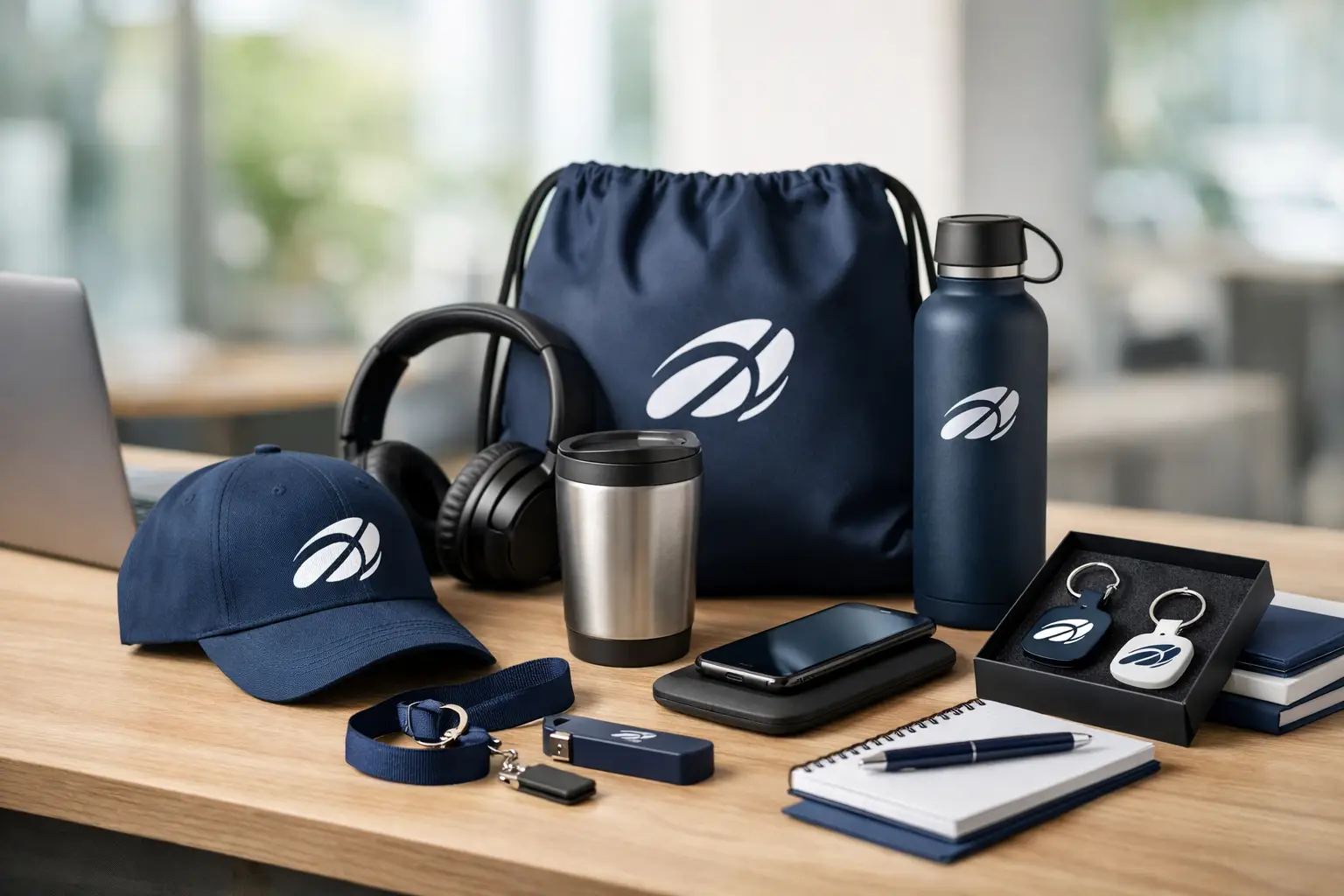
Useful beats clever most of the time. Event buyers are often tempted by novelty, but practical items usually deliver longer brand exposure. Tote bags, drinkware, pens, notebooks, and wearable items continue working after the event. A gimmicky item might get a quick reaction, but it often gets left behind or thrown away.
That does not mean every event needs the same standard products. It means the product should fit the setting. Outdoor events often support hats, performance shirts, sunscreen packets, or water bottles. Indoor conferences may be better for notebooks, badge accessories, tech items, or bags. Community events can benefit from family-friendly products with wider appeal.
Apparel deserves special attention because it can either become the best item in the package or the hardest one to manage. T-shirts and sweatshirts are strong choices when the design is worth wearing and the audience is likely to use them again. But sizing, color selection, and decoration method all affect cost and lead time. If wearability matters, it is worth spending a little more attention on fabric, fit, and print placement.
Match the decoration method to the job
A lot of ordering mistakes come from treating every imprint method as interchangeable. They are not. The right method depends on material, artwork, quantity, and the role the product will play at the event.
For apparel, screen printing is often a strong fit for larger runs with bold graphics. It tends to be efficient and cost-effective when the design and quantity line up with the process. Embroidery works well when you want a more polished look on polos, hats, jackets, or staff apparel. DTG and DTF can be useful when artwork is more detailed or when the garment and design call for a different approach.
For promotional products, the imprint method may be driven by the item itself. A tote bag, tumbler, notebook, or keychain each has different print limitations and opportunities. This is where artwork setup matters. Tiny text, low-contrast color combinations, or crowded logos can look fine on a screen and fail on the actual product.
That is why buyers should think in terms of readability, not just branding. If people cannot recognize the logo or message at a glance, the item loses value. Simpler artwork often performs better on swag because the imprint area is limited and the product is viewed quickly.
Get your quantities right without overordering
Quantity planning is part math, part judgment. The exact number depends on attendance confidence, distribution method, and the type of item.
If the product is a universal handout, you usually need a quantity close to expected attendance, with a reasonable buffer for staff, volunteers, and last-minute changes. If the item is premium, sizing is required, or distribution is selective, the quantity can be more controlled. Apparel especially needs closer planning because a wrong size mix can leave you with leftovers that are hard to reuse.
For multi-day events, break down distribution by day if attendance varies. For recurring events, look at previous years if you have the data. If you do not, use registration numbers, sponsor commitments, and realistic no-show assumptions instead of optimistic guesses.
The real goal is not simply to order less or more. It is to order appropriately. Overstock ties up budget. Underordering creates missed exposure and frustrated attendees. A good vendor conversation can help pressure-test the quantity based on the type of product and the event setup.
Build in more time than you think you need
Timing is where even organized teams get burned. Product sourcing, art approval, decoration, shipping, and event prep all take time, and small delays add up quickly.
The safest ordering process starts as soon as your event date is confirmed and your budget is approved. Final product selection should happen early enough to leave room for substitutions if inventory shifts or artwork needs changes. Waiting until the last minute usually narrows your options and forces decisions based on availability rather than fit.
Proofing deserves its own attention. A fast approval can keep the schedule moving. A slow internal review can stall the whole job. If multiple stakeholders need to sign off, decide that before artwork is prepared so approvals do not bounce around between departments.
This matters even more when you are coordinating several categories at once, like staff polos, volunteer shirts, sponsor gifts, and attendee giveaway items. The more moving parts you add, the more valuable it becomes to have one clear timeline and one point of contact managing production expectations.
Keep branding consistent across the order
Event swag works best when it looks like part of the same program. That does not mean every item has to match perfectly. It means the logo treatment, colors, and message should feel intentional across apparel and merchandise.
A common mistake is using one version of the logo on shirts, another on drinkware, and a different message on giveaway items. The result is a scattered impression. Consistency builds recognition, especially at larger events where people may interact with your brand in several places throughout the day.
It also helps to prioritize the message. Not every item needs a website, tagline, phone number, event name, sponsor lockup, and full-color logo. On smaller products, less usually performs better. Choose the one or two brand elements that matter most and let the product do its job.
Make affordability work harder
Affordable swag is not the same as cheap swag. The better question is whether the item creates enough value for the spend. A lower-cost product that gets used for months can outperform a more expensive item that sits in a drawer.
That is why smart ordering often comes down to fit. If your budget is tight, focus on products with broad usability and straightforward branding. If your event has a high-value audience or a sponsorship component, it may make sense to invest in select items with stronger perceived value. It depends on who is receiving the swag and what you need the item to accomplish afterward.
For organizations in the greater Salt Lake City area planning business events, school functions, fundraisers, or community outreach, this is usually where a practical merchandise partner helps most. Affordable-Printing works with buyers who need apparel and promotional products to support visibility, identification, and event marketing without overcomplicating the process.
The best swag orders are rarely the flashiest ones. They are the ones that arrive on time, stay on brand, fit the budget, and end up in people’s hands instead of in leftover boxes. If you plan with the end use in mind, your event merchandise has a much better chance of doing what it was supposed to do after the event is over.
Ready to start your order?
GET A FREE QUOTE